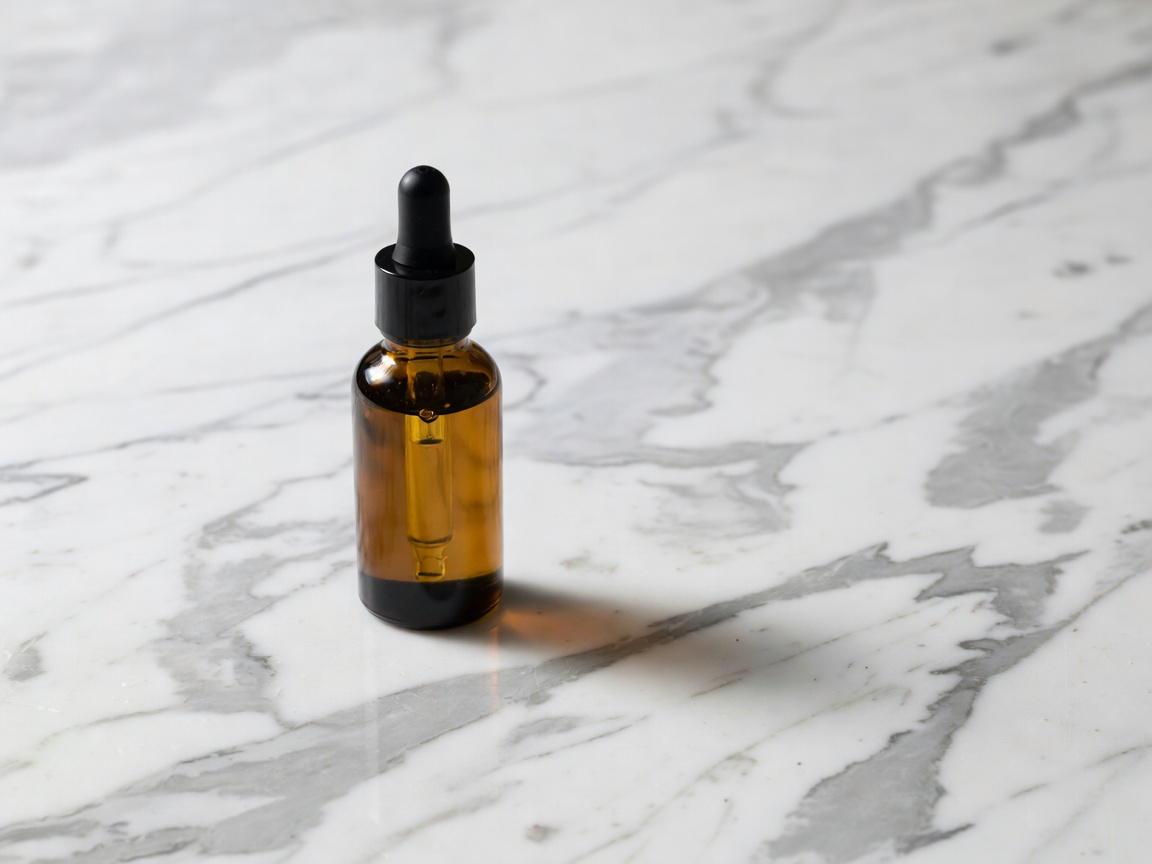
The proliferation of beard oils in the men's grooming market has led to an overwhelming array of choices, many distinguished only by their marketing nomenclature. However, when reduced to their functional components, beard oils are remarkably straightforward dermatological tools. Their primary purpose is not merely the softening of coarse facial hair, but the vital replenishment of sebum—the skin's natural oil—which is rapidly wicked away from the face by the hair shaft as it grows.
Understanding the architecture of a premium beard oil requires a firm grasp of the distinction between carrier oils, which provide the structural and functional base, and essential oils, which offer aromatic and secondary topical benefits. This foundational knowledge separates an effective grooming regimen from a frustrating one.
The Foundation: Carrier Oils
A high-quality beard oil is predominantly composed of carrier oils. These are derived from the fatty portions of plants, usually seeds, nuts, or kernels. Their molecular structures determine how deeply they penetrate the hair shaft and how efficiently they absorb into the epidermis without leaving a heavy, comedogenic (pore-clogging) residue.
Jojoba Oil
Technically a liquid wax ester rather than a true oil, jojoba is the undisputed gold standard in beard care. Its molecular structure is nearly identical to human sebum. Because of this biomimicry, jojoba absorbs rapidly, regulating the skin's own oil production. It is highly stable, resistant to oxidation, and exceptionally effective at mitigating the flaking and pruritus (itching) commonly referred to as "beardruff."
Argan Oil
Endemic to Morocco, argan oil is rich in Vitamin E, phenols, and carotenes. It boasts a higher molecular weight than jojoba, making it slightly more viscous. This viscosity is advantageous for coating the hair shaft, smoothing the cuticle, and preventing split ends. It provides a natural, non-greasy luster to the beard while offering substantial antioxidant protection to the underlying skin.
Sweet Almond Oil
Recognized for its high concentration of oleic acid, sweet almond oil acts as an excellent emollient. It softens the cellular structure of coarse hair, making a dense beard significantly more manageable for brushing and styling. Furthermore, its mild profile makes it suitable for sensitive skin types, provided there is no underlying nut allergy.
The Aesthetic Layer: Essential Oils vs. Fragrance
While carrier oils perform the heavy lifting, the scent profile of a beard oil is typically dictated by essential oils or synthetic fragrances. From an editorial standpoint, essential oils are preferred. They are volatile compounds extracted from plants via distillation or cold pressing. Common choices in men's grooming include Sandalwood (woody, grounding), Cedarwood (astringent, masculine), and Peppermint (invigorating, cooling).
"The distinction between an authentic botanical essence and a synthetic fragrance oil is not merely a matter of purity, but of dermal tolerance. Synthetic fragrances frequently contain phthalates and undeclared chemical fixatives that exacerbate skin irritation."
It is vital to note that essential oils are highly concentrated. In a properly formulated beard oil, they should constitute no more than 1% to 2% of the total volume to prevent chemical burns or sensitization over time.
Application Methodology
The efficacy of even the most impeccably sourced beard oil is contingent upon proper application. Merely rubbing oil onto the surface of the hair is a common error that fails to address the fundamental purpose of the product: skin hydration.
- Timing: The optimal time for application is immediately following a warm shower. The heat and steam soften the hair cuticle and clear the pores of the underlying skin. Gently pat the beard dry with a towel; it should be slightly damp, not saturated.
- Dosage: Dispense the correct volume. A nascent beard may require only 2 to 3 drops, whereas a dense, mature beard spanning several inches will necessitate 6 to 10 drops. Over-application results in an uncomfortable, greasy finish.
- Distribution: Emulsify the oil by rubbing it briskly between the palms to warm the lipids. Begin application at the neck, working upward against the grain, ensuring the fingers make direct contact with the skin beneath the hair. Once the skin is coated, smooth the remaining oil downward over the surface of the beard.
- Finishing: Utilize a boar bristle brush to evenly distribute the oil from root to tip. The microscopic scales on natural boar bristles are exceptionally effective at carrying lipids along the hair shaft, mimicking the natural wicking process of sebum.
Conclusion
Selecting a beard oil should not be a task driven by attractive packaging or aggressive masculine branding. It is an exercise in sourcing high-quality, cold-pressed carrier oils that match your skin's requirements. By prioritizing biomimetic ingredients like jojoba and antioxidant-rich additions like argan, the modern gentleman can ensure a resilient, comfortable, and well-maintained aesthetic.