The electric trimmer occupies a foundational role in the modern grooming arsenal. Unlike wet shaving, which is designed for absolute hair removal, a trimmer dictates length, bulk, and line definition. However, navigating the consumer electronics market for grooming hardware reveals a spectrum of quality ranging from professional-grade tools built for decade-long lifespans to disposable plastic units reliant on planned obsolescence.
A categorical analysis of trimmer mechanics—focusing on motor types, blade compositions, and power delivery—equips the consumer to make a calculated investment rather than a reactive purchase.
Motor Architecture
The motor is the heart of the tool. A trimmer with superior blades will still snag and pull hair if the motor lacks the torque to drive those blades through dense growth. Motors generally fall into three distinct categories:
- Magnetic Motors: Operating via an electromagnet that pulls a spring-loaded arm back and forth, magnetic motors run at incredibly high speeds. This makes them excellent for fine hair and high-volume, lightweight cutting. However, they lack raw torque, meaning they can struggle when met with extremely thick or wet hair.
- Pivot Motors: Similar in design to magnetic motors but featuring two electromagnets, pivot motors operate at a lower blade speed but produce double the torque. They are the workhorses of the professional space, easily navigating dense, coarse, and wet hair without stalling.
- Rotary Motors: The most versatile option, rotary motors utilize a circular motion driven by a traditional internal motor to move the blades. They offer a balanced ratio of power to blade speed. Because of their compact nature, they are the standard choice for high-end cordless consumer models.
Blade Composition
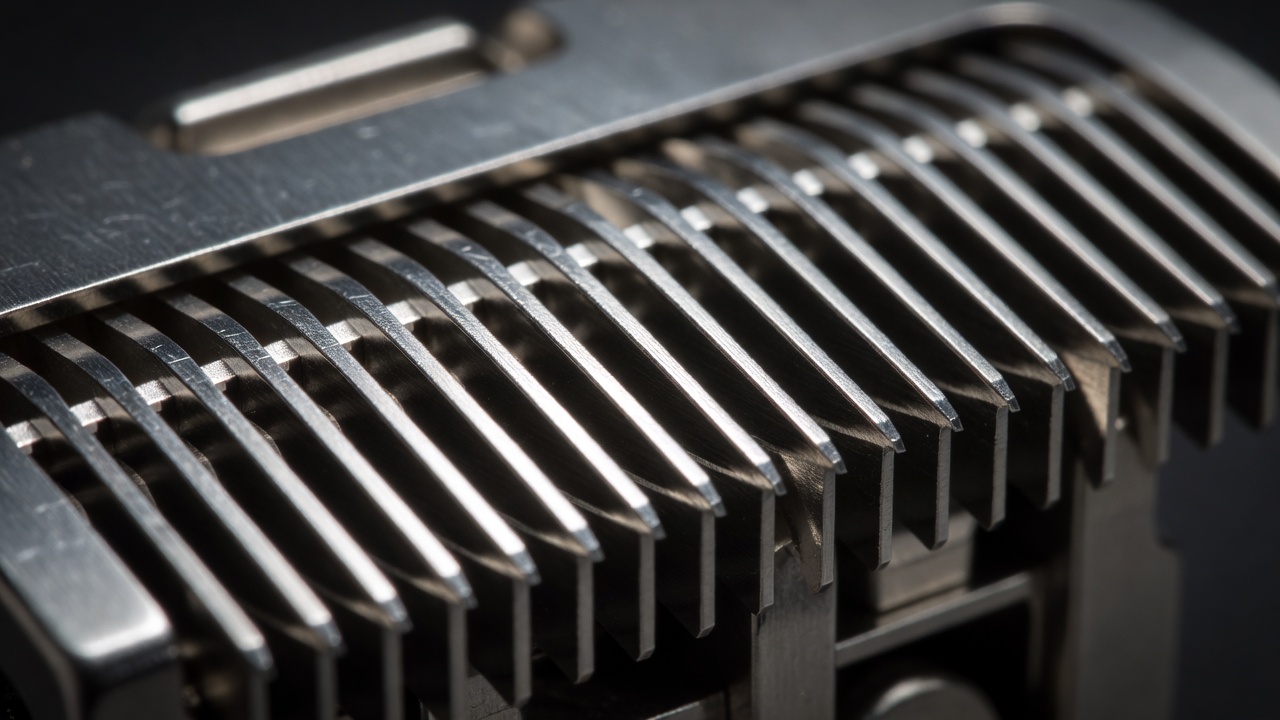
The cutting mechanism of a trimmer consists of a stationary comb blade and a moving cutting blade. The friction between these elements demands materials capable of holding a sharp edge while resisting immense thermal stress.
High-Carbon Steel: The traditional professional standard. Carbon steel can be honed to a microscopic edge, resulting in the cleanest possible cut. However, carbon steel is highly susceptible to oxidation (rust). It requires religious maintenance, including drying after use and regular oiling, to maintain its integrity.
Ceramic: A modern alternative that is rapidly gaining traction. Ceramic blades run significantly cooler than steel because they create far less friction. They will not rust and remain sharp for extended periods. Their primary drawback is brittleness; dropping a ceramic blade onto a tile floor will almost certainly shatter the teeth.
"The tactile difference between a stamped steel blade and a finely milled high-carbon blade is immediate. The former pulls and tears the follicle; the latter shears it cleanly, preventing the formation of split ends even on short facial hair."
Power Delivery: Corded vs. Cordless
Historically, the decision between corded and cordless was a decision between consistent power and convenience. Corded trimmers running directly off mains electricity provide unrelenting torque, a necessity in professional barbershops running tools continuously for eight hours.
However, the advent of high-capacity Lithium-Ion (Li-ion) batteries has largely closed this gap for the home consumer. Unlike older Nickel-Cadmium (NiCd) batteries, Li-ion cells do not suffer from 'memory effect'—they can be charged at any depletion level without damaging their overall capacity. Furthermore, they deliver consistent voltage until the moment they die, whereas older batteries would gradually slow the motor down, resulting in pulled hairs during the final minutes of a charge.
Essential Maintenance Rituals
No piece of precision hardware can survive neglect. The longevity of a trimmer is entirely dependent on post-use care.
- Brushing: The first step after every use must be the mechanical removal of hair and dead skin cells from the blade block using a stiff nylon brush.
- Disinfection: A cooling, disinfecting spray should be applied to neutralize bacteria and provide temporary lubrication, especially if the tool is shared.
- Oiling: The most critical step. Apply three drops of highly refined clipper oil (not standard household lubricants, which will gum up the mechanism) across the teeth of the blade, and one drop on each side of the heel. Turn the machine on for ten seconds to distribute the oil evenly along the friction points, then wipe away any excess with a dry cloth.
By understanding these mechanical principles, you elevate your grooming routine from a chore reliant on subpar tools to a precise ritual executed with proper hardware.